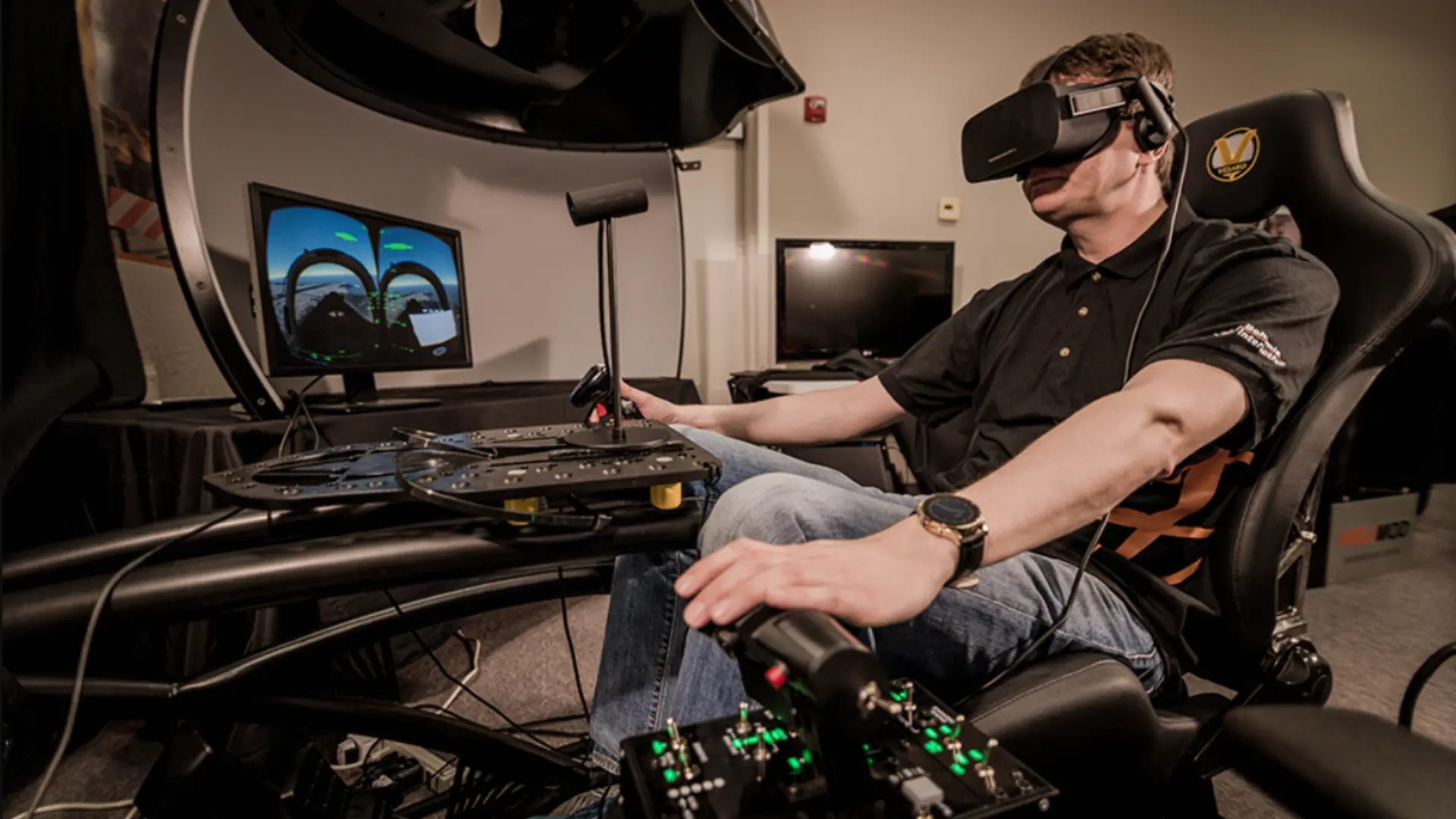
An incident does not end at the moment immediate danger is removed or the scene is brought under control. For law enforcement teams, one of the most difficult phases may begin shortly afterwards, when people want answers, families are anxious, witnesses are uncertain, media interest is increasing and online speculation is already starting to spread. Many agencies are now using a law enforcement VR training simulator to help officers practise how they communicate with the public, media and affected individuals once an active incident has moved into its aftermath. Officers and supervisors may be managing a situation in which not all facts have been confirmed, yet the need for clear, calm and responsible communication is immediate.
This stage of an incident can affect public confidence just as strongly as the original response. People may accept that emergencies are difficult and sometimes unpredictable, but they still expect information to be handled professionally. Confusing instructions, inconsistent statements or long periods of unexplained silence can increase anxiety and allow inaccurate rumours to fill the gap. For this reason, public communication should not be viewed only as a task for senior media officers after an event. Frontline personnel, supervisors and incident commanders may all influence how information is understood in the minutes and hours following a serious situation.
Virtual reality training can help officers prepare for this less frequently practised aspect of emergency response. While immersive scenarios are often associated with decision-making during an active incident, they can also continue beyond the initial operational phase. Once the immediate risk has passed, officers can be confronted with realistic public questions, distressed relatives, witnesses seeking reassurance, journalists requesting information or members of the public filming and commenting online. These moments demand judgement, restraint and empathy, as well as a clear understanding of what can and cannot be said.
When the Scene Is Safe but the Pressure Continues
After a serious incident, the public environment may remain highly charged. People who were present may be upset, frustrated or confused. Others may be unable to contact relatives or understand whether they can return to a building, vehicle or public space. Witnesses may believe they know what happened, while officers are still trying to establish accurate facts. At the same time, images, short video clips and unverified accounts may begin circulating online before any official explanation has been provided.
For officers on the scene, these pressures can be difficult to manage alongside ongoing operational responsibilities. A cordon may still need to be maintained, evidence may need protecting, specialist teams may be arriving and vulnerable people may require support. Yet the way officers communicate in these moments can shape the public’s experience of the response. A short interaction at a barrier or evacuation point may either provide reassurance or deepen confusion.
Training often focuses understandably on preventing harm and responding to immediate danger. However, once a scene changes from active response to controlled management, communication requires a different set of skills. Officers may need to explain why access remains restricted without revealing sensitive details. They may need to acknowledge distress without making promises they cannot keep. They may need to direct people towards support, official information channels or family liaison arrangements while remaining alert to risks still present at the scene.
A virtual scenario can reproduce these pressures in a way that classroom discussion cannot easily achieve. Officers can experience the emotional shift from responding to an urgent threat to facing members of the public who want immediate clarity. The exercise can reveal whether they remain calm, whether their messaging is consistent and whether they understand the importance of saying only what has been verified.
Practising the Difference Between Helpful and Harmful Information
Post-incident communication is challenging partly because people often expect definitive answers before those answers are available. An officer may be asked whether someone is injured, whether a suspected person has been detained, whether it is safe to leave, why an area is still closed or whether a particular rumour is true. Even when the officer genuinely wants to help, an inaccurate or poorly judged response can create further problems.
Information given too soon may later prove incorrect. A casual remark could be repeated online as an official statement. Details shared with one person may affect an investigation, increase family distress or create unnecessary concern. Equally, communication that appears dismissive or unnecessarily secretive can reduce public trust and make people feel ignored at an already difficult time.
This balance can be explored through a law enforcement VR training simulator in which the officer encounters different members of the public as a situation develops. One virtual individual might be a concerned relative looking for information about someone who has not returned home. Another might be an angry business owner wanting immediate access to premises within a restricted area. A journalist may press for confirmation of details that have not yet been authorised for release, while a witness may approach with potentially significant information but express concern about speaking openly.
These situations allow officers to practise recognising the purpose behind a question rather than reacting only to its urgency. A distressed person may not need a full explanation of the incident; they may need reassurance about where reliable updates will be available. A witness may require privacy and clear instructions rather than a discussion in front of others. A person repeating misinformation may need a calm correction where possible, rather than confrontation or speculation.
The strength of immersive practice is that it can make those communication choices feel immediate. Officers are required to think while the scene around them remains busy and emotionally demanding, closely reflecting the conditions in which real communication decisions may be made.
Maintaining Confidence Without Creating False Certainty
The public often looks to uniformed officers for confidence during uncertain situations. This can place officers under pressure to sound definite even when they do not yet have complete information. Good communication, however, does not depend on pretending to know more than is known. It depends on being clear about what can be said, what action people should take and where they can receive reliable further information.
A useful training scenario can therefore test whether officers communicate confidently without speculating. They may need to explain that an area remains closed while enquiries continue, direct people away from unsafe access points or state that confirmed information will be shared through official channels. These are simple actions in theory, but they may be much harder when people are demanding answers, recording conversations or expressing anger and fear.
The tone of communication also matters. An officer may technically provide the correct instruction while delivering it in a way that appears abrupt or uncaring. In tense public situations, empathy and authority need to work together. People may be more willing to follow instructions when they feel their concerns have been acknowledged, even if the officer cannot immediately provide the answer they want.
Virtual reality allows instructors to examine these aspects after the exercise. Officers can review not only what they said, but how they responded to emotional pressure, whether they repeated agreed messaging and whether their communication helped maintain order or unintentionally increased tension. This makes the exercise about professional judgement rather than merely memorising a set of approved phrases.
Preparing for Rumours and Public Recording
Modern incidents rarely remain confined to the physical scene. Members of the public may post videos, photographs and comments within minutes. Information may spread through local community groups or social media platforms before police teams have confirmed what occurred. Inaccurate claims can travel quickly, especially where people are frightened or trying to make sense of limited information.
Officers are not individually responsible for managing every online discussion, but they may encounter the effects of misinformation directly. People at the scene may believe an unconfirmed rumour and attempt to leave through a restricted route, search for someone in an unsafe area or challenge instructions because they have seen contradictory information online. Officers may also be recorded during these exchanges, making professionalism especially important.
VR scenarios can include this modern reality by introducing characters who are filming, livestreaming or repeating information they have received from elsewhere. The aim is not to train officers to suppress public recording, but to help them maintain calm, follow policy and communicate responsibly while aware that their actions may be viewed by a much wider audience.
Such exercises can prompt important discussion afterwards. Did the officer allow a rumour to influence their own communication? Did they become distracted or defensive when recorded? Were public instructions sufficiently clear to reduce confusion? Could an official update or better coordination with communications teams have helped earlier? These questions support a broader understanding of how public reassurance now operates in an age of instant information.
Strengthening the Response Beyond the Incident
Practising post-incident communication has benefits that extend beyond individual officer performance. Exercises may reveal that teams do not share a clear understanding of who is responsible for public updates, where people should be directed for information or how messages should be coordinated across agencies. In a major event involving police, ambulance services, venue staff, local authorities and transport providers, inconsistent communication can quickly undermine an otherwise effective operational response.
Training can help identify these weaknesses before a real incident exposes them. It may lead to clearer briefing documents, improved liaison arrangements, better public information points or stronger coordination between frontline officers and communications teams. It can also highlight the need to consider affected people more carefully, particularly relatives, vulnerable individuals, witnesses and those unable to access familiar places after an incident.
A successful response is not measured only by how effectively immediate dangers are controlled. It is also reflected in how people are treated, how uncertainty is managed and whether public confidence is protected during the aftermath. Officers who are prepared for these conversations are better placed to support communities when events are frightening, confusing or emotionally difficult.
Virtual reality offers a practical way to rehearse this responsibility without waiting for real circumstances to provide the lesson. By continuing scenarios beyond the active stage of an incident, training can help officers understand that communication is part of safety, not something separate from it. When people are anxious and facts are still emerging, calm, accurate and compassionate communication can make a lasting difference to how an entire response is experienced.
